
|
Getting your Trinity Audio player ready…
|
Why Secure Shredding Matters for Criminal Defense Firms
Criminal defense firms operate in an environment where confidentiality isn’t optional—it’s foundational. Every case file, witness statement, investigative note, and client communication carries sensitive information that must remain protected long after a matter is resolved. Yet one of the most overlooked risks in criminal defense often appears at the very end of a document’s lifecycle: disposal.
When records are no longer needed, how they are destroyed matters just as much as how they were handled during the case itself.
The Hidden Risk in Retired Case Files
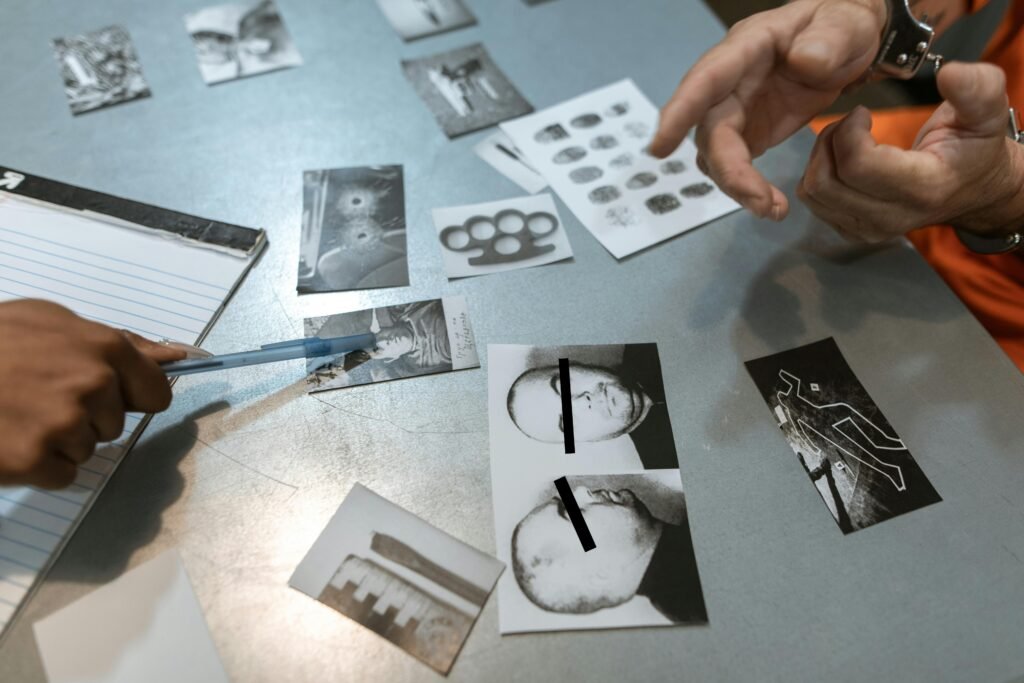
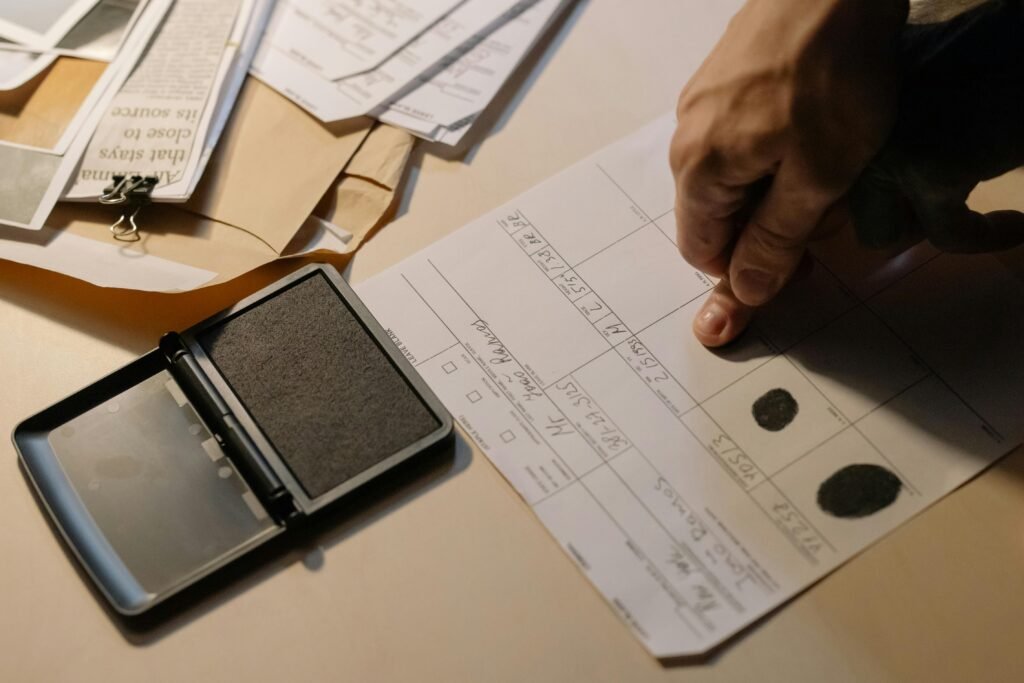
Criminal defense firms generate substantial volumes of paper over time. Discovery packets, court filings, investigative materials, and internal notes often move from active use into storage as cases close, accumulating across offices and storage areas. Without a defined destruction process, these records can sit for years—creating unnecessary exposure.
Improper disposal introduces serious risk. Even a single misplaced document can compromise client confidentiality, invite legal scrutiny, or undermine trust. Relying on office shredders or informal cleanup efforts often lacks consistency and accountability.

Confidentiality Doesn’t End When a Case Closes
Attorney-client privilege does not disappear when a verdict is reached or a file is archived. Criminal defense firms remain responsible for safeguarding sensitive information through final destruction.
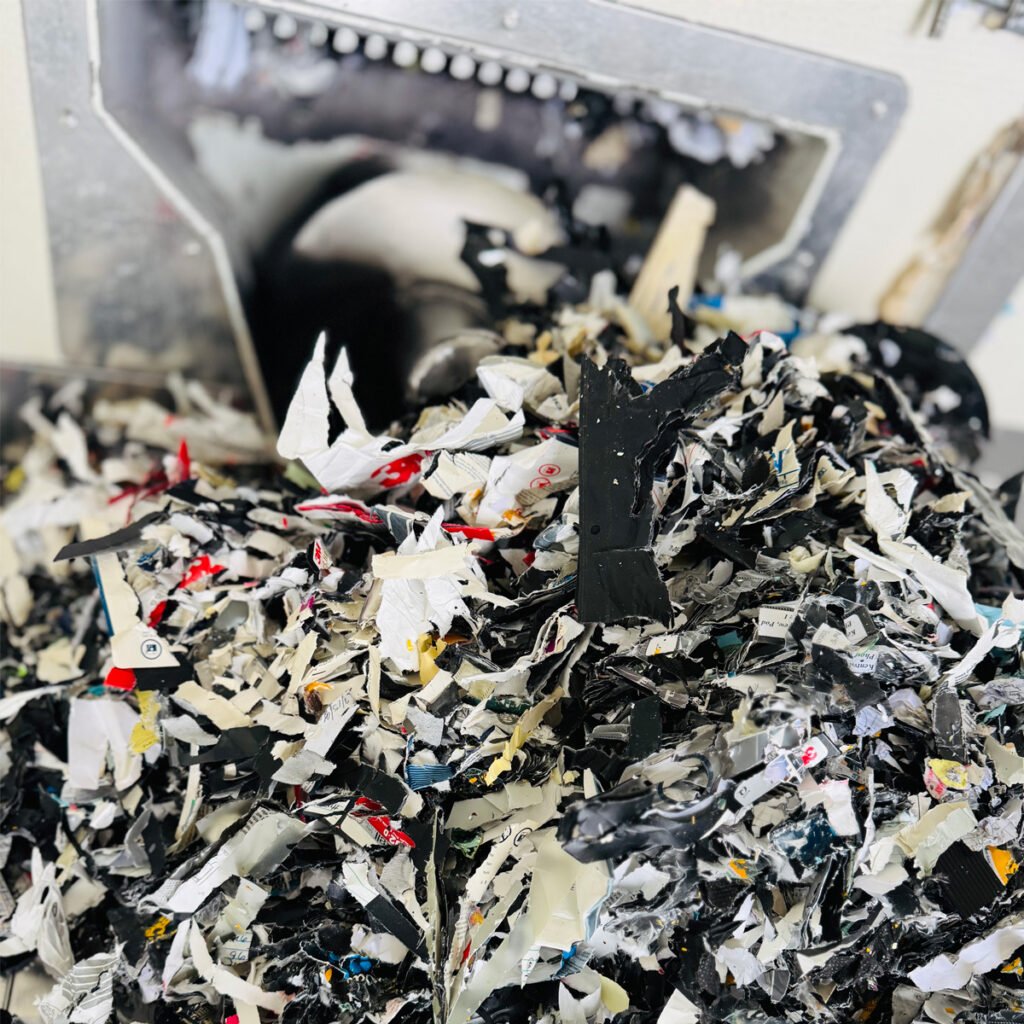
Secure shredding ensures that confidential records are destroyed permanently and cannot be reconstructed. This final step protects clients, attorneys, and firms from unintended disclosure long after representation ends.
Why Professional Shredding Makes a Difference
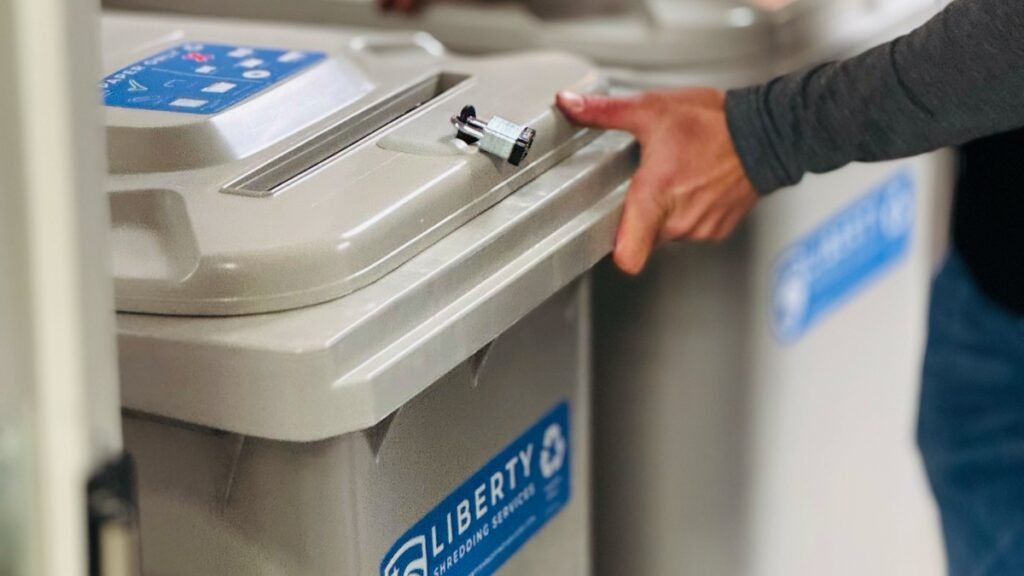
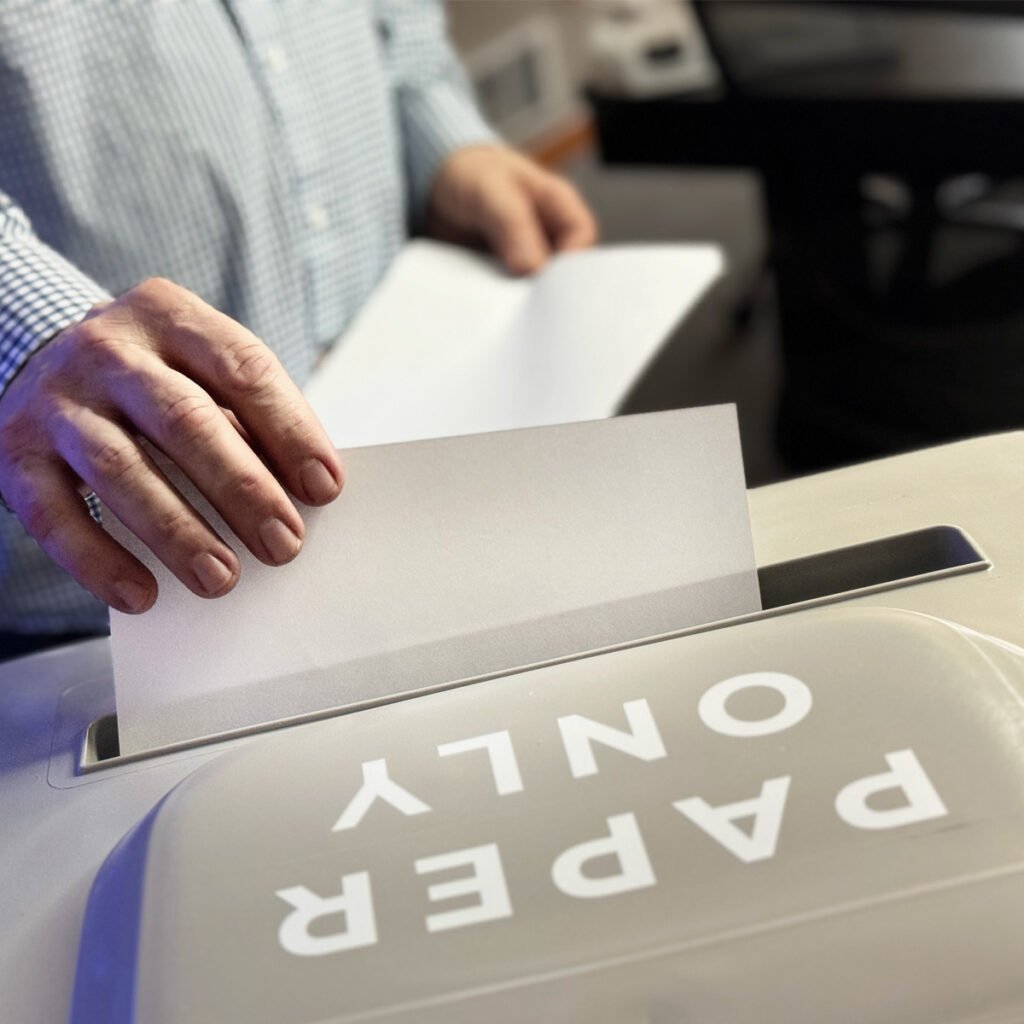
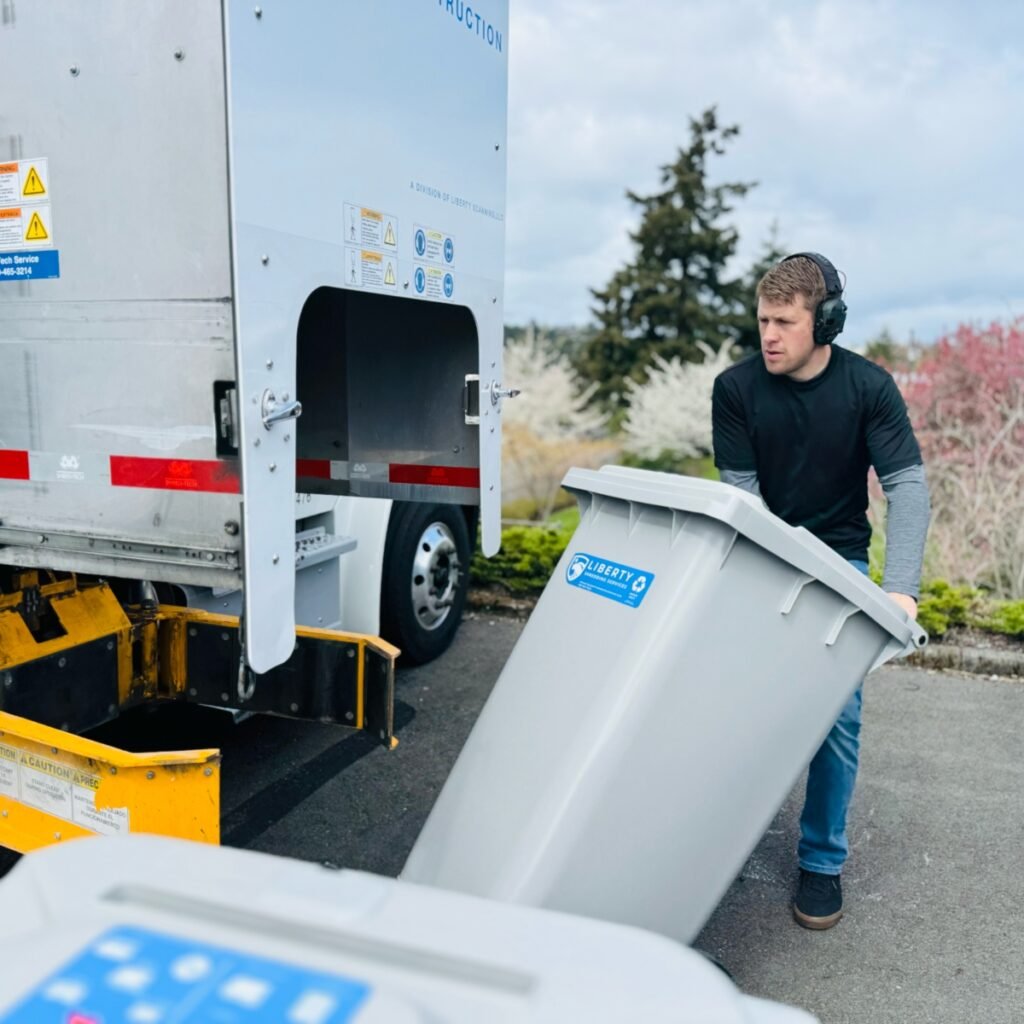
Professional shredding establishes a controlled, repeatable process for document destruction. Records remain secured in locked containers, handled by trained personnel, and destroyed according to documented procedures.
This structure eliminates guesswork. Firms no longer need to wonder whether documents were destroyed properly—or whether sensitive material might still exist somewhere it shouldn’t.
Documentation That Supports Accountability
Secure shredding doesn’t stop at destruction. Certificates of Destruction provide documented proof that records were handled and destroyed responsibly.
For criminal defense firms, this documentation supports internal policies, ethical obligations, and risk management efforts. When questions arise, firms can clearly demonstrate how sensitive records were disposed of.
Reducing Internal Burden Without Losing Control
Managing document destruction internally pulls staff away from legal work and introduces inconsistencies. Outsourcing shredding allows criminal defense firms to maintain full control over confidentiality while removing the operational burden from their teams.
With scheduled services and structured handling, firms stay focused on defense strategy and client advocacy—not document disposal.

Protecting Trust at Every Stage
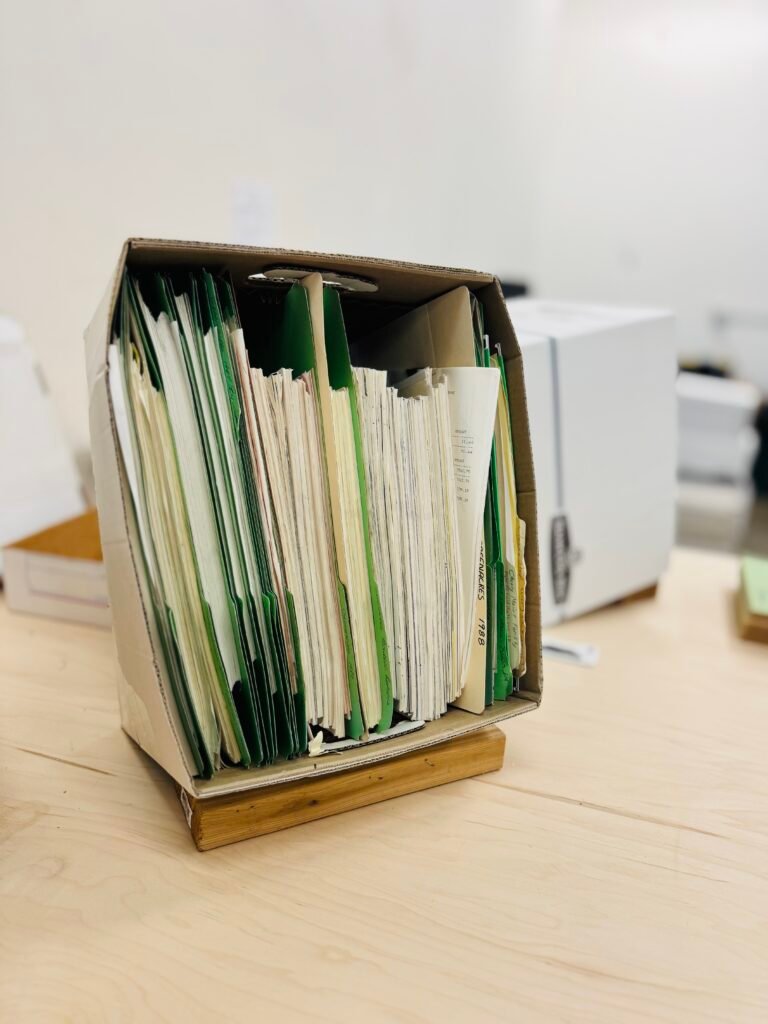
Clients trust criminal defense attorneys with deeply personal and high-stakes information. Secure shredding reinforces that trust by showing confidentiality extends beyond representation and storage.
By treating document destruction with the same seriousness as case preparation, criminal defense firms strengthen professional integrity and reduce long-term risk.
Making Secure Shredding Part of Responsible Practice
Secure shredding is not an administrative afterthought—it is a critical component of responsible records management for criminal defense firms. When destruction processes align with ethical standards and confidentiality expectations, firms protect clients, reduce exposure, and operate with confidence.
For criminal defense firms, secure shredding closes the loop on information protection—safely, defensibly, and without compromise.
Partner with Liberty Shredding
Looking for reliable shredding, scanning, archiving, media conversion, cloud, and more services? Contact Liberty today for a free, no-obligation quote. Whether it’s a single-file box or an ongoing service agreement, we’ll help you choose the right solution for your home or business.