
|
Getting your Trinity Audio player ready…
|
Why Secure Shredding Is Essential for Accounting & Bookkeeping Services
Accounting and bookkeeping services live in a world of numbers, deadlines, and constant document flow. From daily transaction records and payroll files to bank statements and client correspondence, paper moves through offices at a steady pace. While much of the focus stays on accuracy and compliance, what happens to documents after they’re no longer needed often gets overlooked.
That’s where risk quietly builds.
The Hidden Risk of “Done” Documents
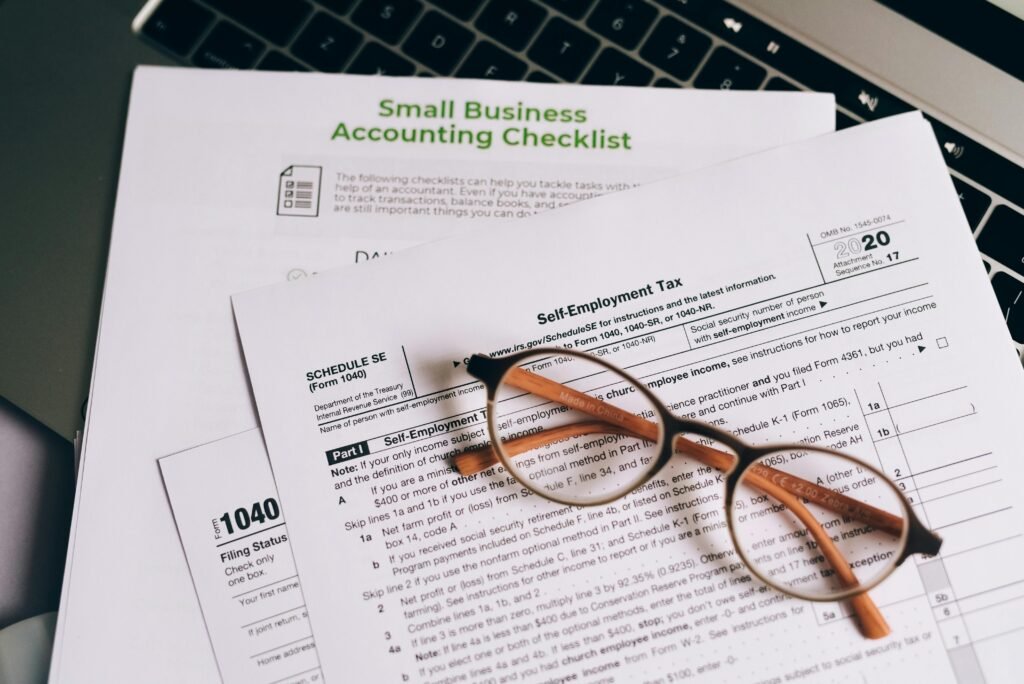
Once financial records are processed and reports are delivered, paper files often get boxed up, filed away, or stacked in storage areas. Over time, these documents accumulate. Even though they may no longer be in active use, they still contain sensitive information that requires protection.
Bank details, Social Security numbers, payroll data, and vendor information don’t lose their sensitivity just because a task is complete. Without a clear destruction process, outdated records remain a liability.
Why Office Shredders Aren’t Enough
Many accounting and bookkeeping services rely on office shredders for document disposal. While convenient, these machines are slow, inconsistent, and often unreliable for high volumes. They also lack documentation, oversight, and verification.

In busy environments, shredding may get delayed, skipped, or handled differently by each team member. Over time, this inconsistency increases the risk of improper disposal and information exposure.
How Secure Shredding Changes the Process
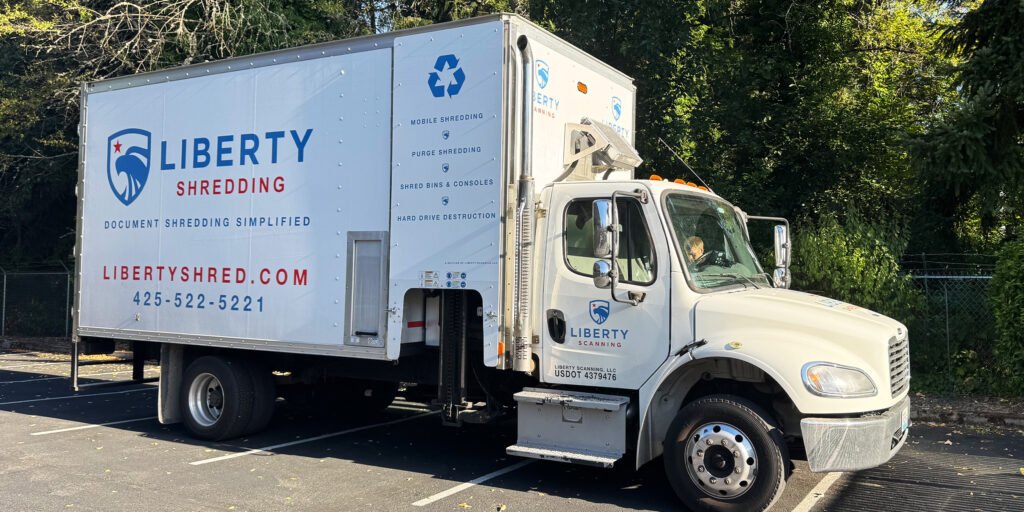
Professional shredding introduces structure into document disposal. Instead of relying on ad hoc solutions, accounting and bookkeeping services follow a defined process that ensures records are destroyed completely and consistently.
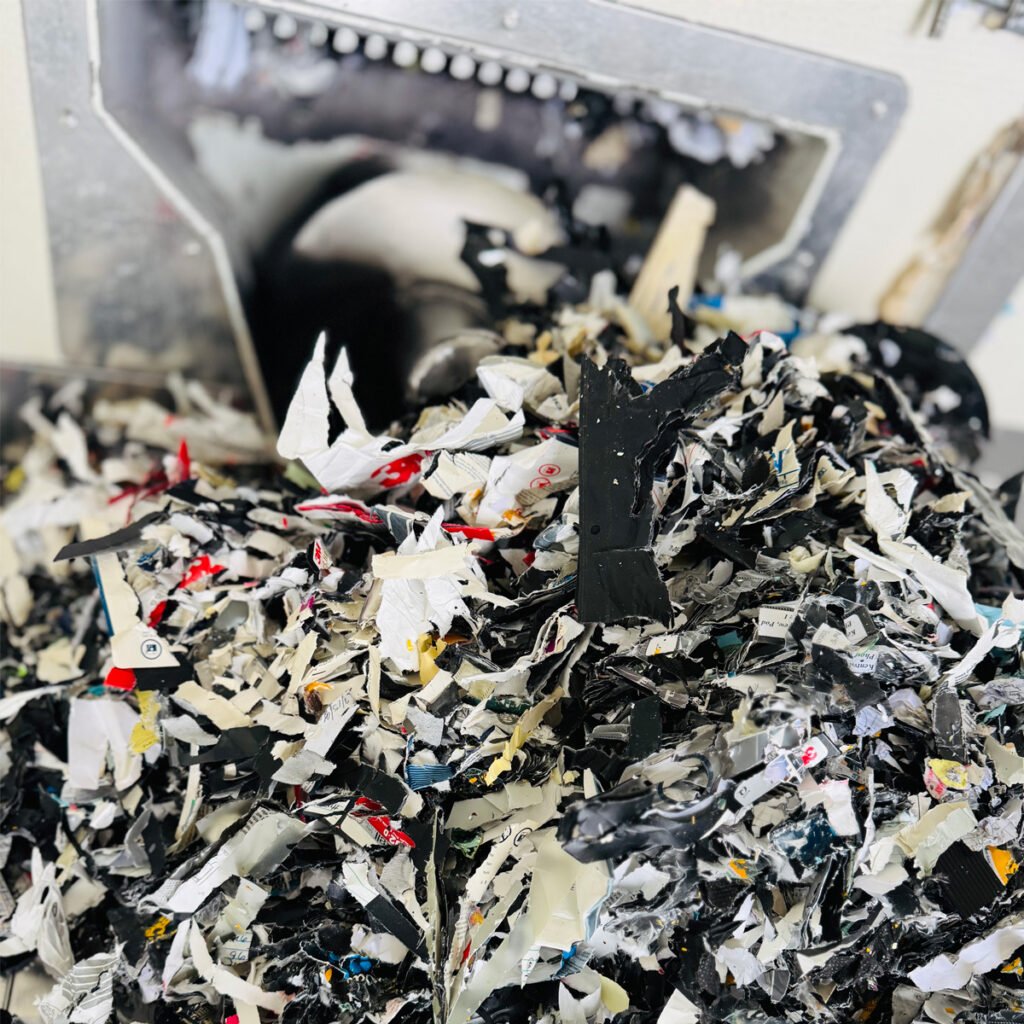
Secure shredding services use controlled collection, trained handling, and verified destruction methods. This removes uncertainty and ensures sensitive financial information never re-enters circulation.
Managing Records Across Multiple Clients
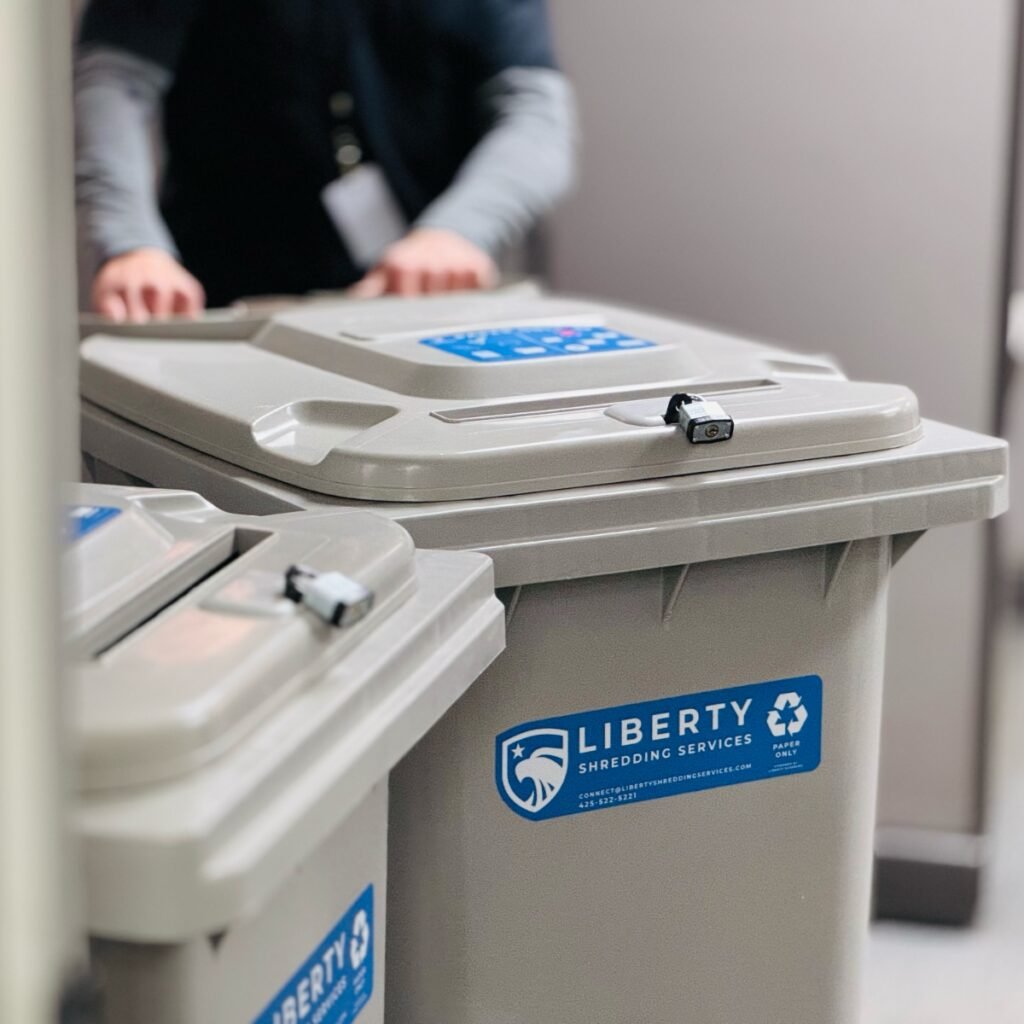
One of the biggest challenges for bookkeeping services is managing documents for many clients at once. Each client’s records must remain isolated and protected. A single mix-up can damage trust and credibility.
Secure shredding eliminates this concern by ensuring records are destroyed in a controlled, accountable way—helping maintain confidentiality across all client accounts.

Documentation That Supports Accountability
Professional shredding provides Certificates of Destruction that confirm records were destroyed properly. For accounting and bookkeeping services, this documentation supports internal controls, client assurance, and audit preparedness.
Clear records of destruction reinforce professionalism and demonstrate responsible information management.
Building Secure Habits Into Daily Operations
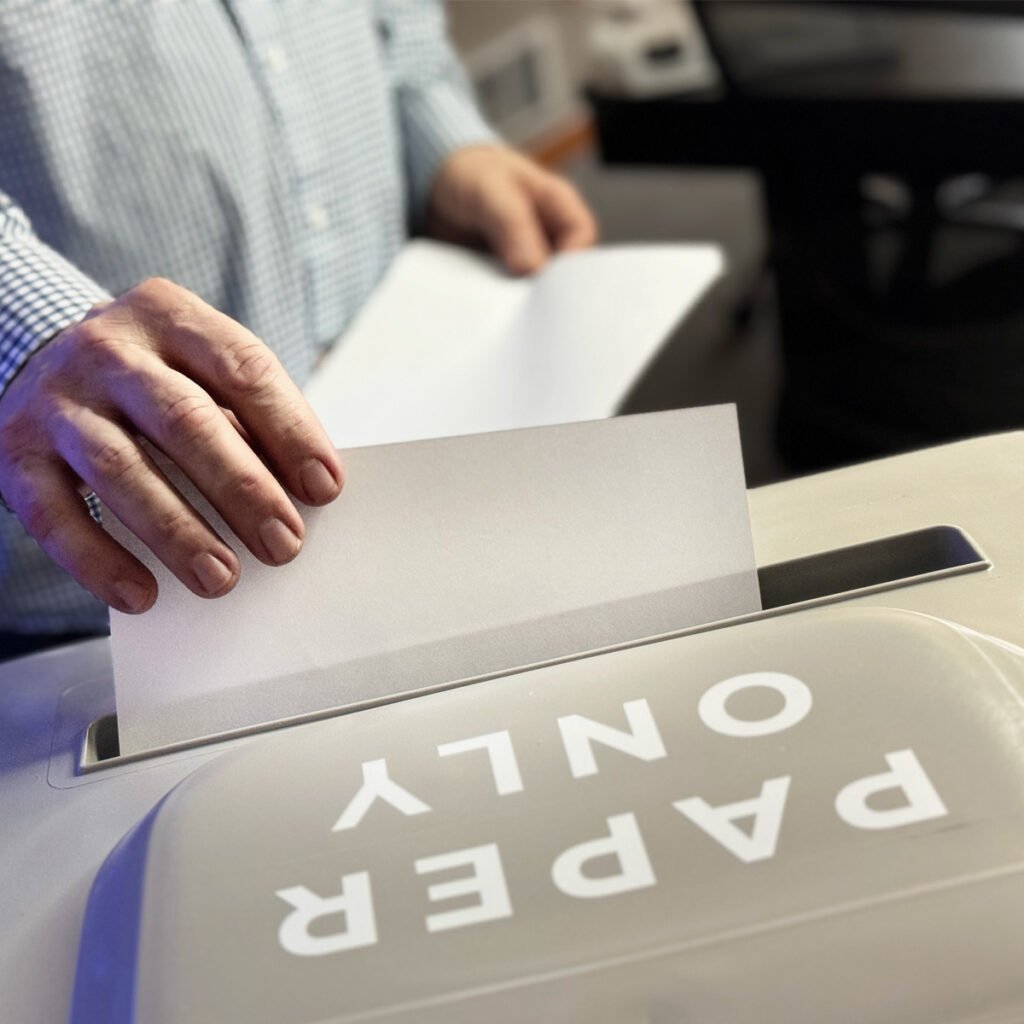
Secure shredding works best when it becomes part of everyday workflows. Routine shredding schedules prevent paper buildup, reduce clutter, and remove the need for last-minute cleanouts.
By outsourcing shredding, accounting and bookkeeping services stay focused on financial accuracy and client service while maintaining strong data protection practices.

Closing the Loop on Financial Record Protection
Protecting financial information doesn’t end with reconciliation or reporting. Secure shredding closes the loop by ensuring records are destroyed responsibly when they are no longer needed.
For accounting and bookkeeping services, secure shredding isn’t just about compliance—it’s about trust, efficiency, and long-term risk reduction.
Looking for reliable shredding, scanning, archiving, media conversion, cloud, and more services? Contact Liberty today for a free, no-obligation quote. Whether it’s a single-file box or an ongoing service agreement, we’ll help you choose the right solution for your home or business.
Questions and Answers
Why is secure shredding important for bookkeeping services?
Bookkeeping services handle ongoing financial records that contain sensitive client information. Secure shredding ensures outdated documents are destroyed permanently, reducing the risk of data exposure and protecting client trust.
What types of bookkeeping records should be shredded?
Common records include invoices, receipts, bank statements, payroll files, vendor documentation, and client correspondence that have reached the end of their retention period.
Is professional shredding more secure than office shredders?
Yes. Professional shredding follows documented chain-of-custody procedures and verified destruction methods, while office shredders often lack consistency, accountability, and proof of destruction.
Can bookkeeping services shred documents on a recurring schedule?
Absolutely. Many bookkeeping services use scheduled shredding to manage regular paper turnover and prevent document buildup while maintaining consistent security practices.
Do bookkeeping services receive proof that documents were destroyed?
Yes. Every professional shredding service includes a Certificate of Destruction, providing documented confirmation that records were securely destroyed.