
Protecting Patient Privacy in Dental Practices with Secure Shredding
Dental practices are built on trust. Patients expect their personal and medical information to remain confidential long after their appointment ends. While most offices focus heavily on protecting data during treatment and billing, what happens to sensitive records at the end of their lifecycle often receives less attention. For dental practices, secure document destruction is a critical part of protecting patient privacy and maintaining professional credibility.
Patient charts, insurance paperwork, billing records, X-ray documentation, and employee files don’t lose sensitivity when they age. Improper disposal of these materials can expose confidential information and create compliance risks that no dental practice can afford.
The Volume of Sensitive Information Dental Practices Handle
Every dental practice generates protected information on a daily basis. Intake forms, treatment notes, diagnostic reports, and financial documents accumulate quickly—especially in busy offices or practices with multiple providers. Over time, these records fill file cabinets, storage rooms, and off-site boxes, creating long-term exposure if not managed properly.
Even well-organized practices can struggle to keep up with disposal requirements as records reach the end of their retention periods. Without a structured shredding process, outdated documents often remain stored longer than necessary, increasing the risk of unauthorized access.
The Risk of Informal Document Disposal
Many dental practices rely on internal shredders or occasional cleanouts to manage paper records. While convenient, these methods often lead to inconsistent destruction and limited oversight. Office shredders jam, break down, or fail to fully destroy documents, leaving sensitive information partially intact.
More importantly, informal disposal places responsibility on staff whose primary focus should be patient care and office operations. When document destruction becomes a secondary task, gaps in consistency and accountability can develop.

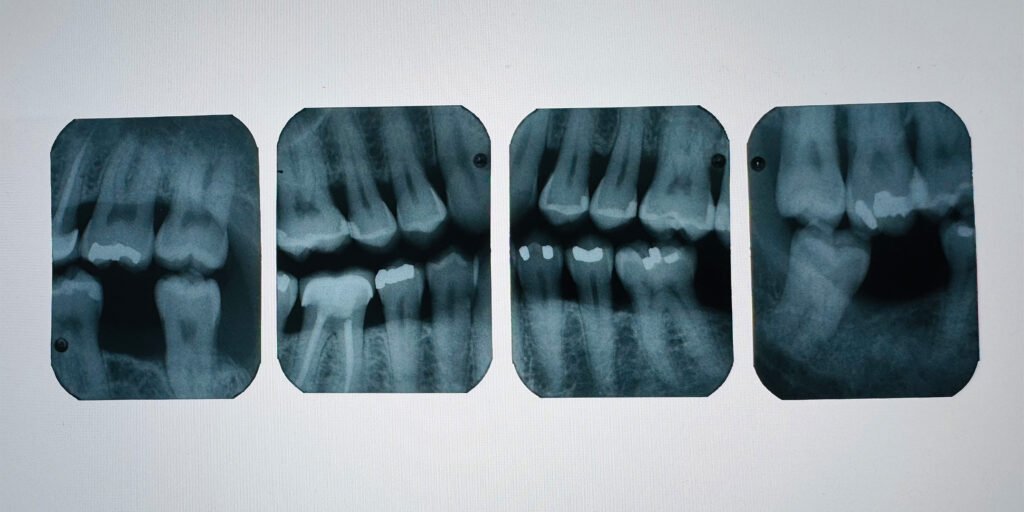
How Professional Shredding Strengthens Privacy Protection
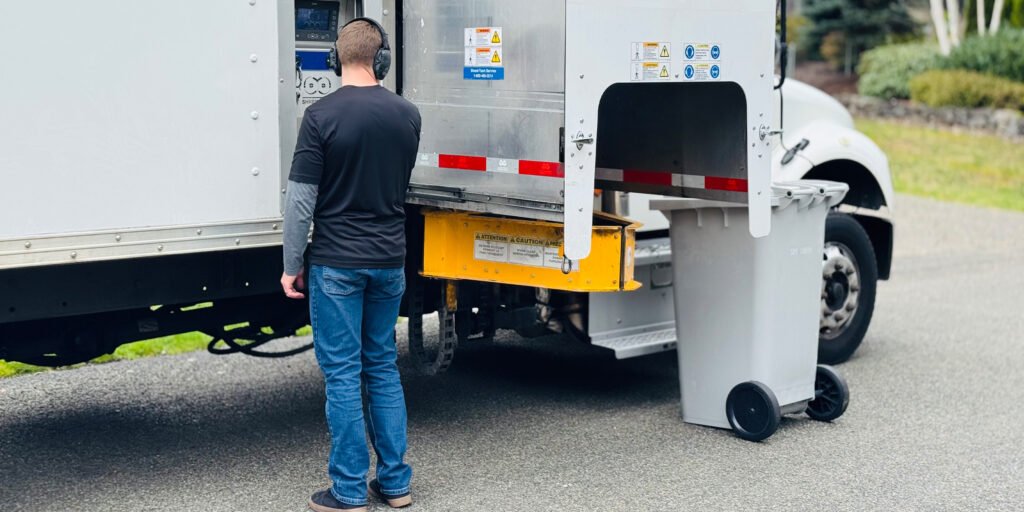
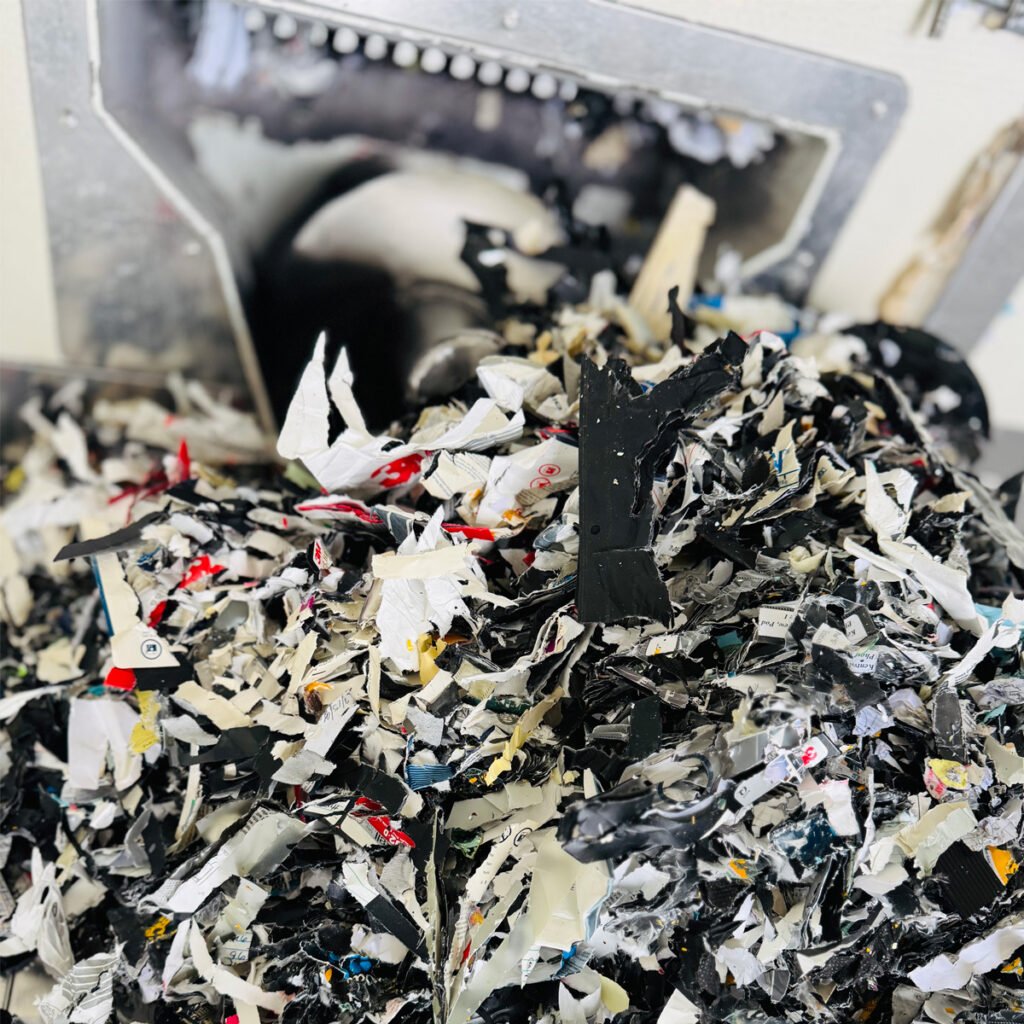
Professional shredding replaces uncertainty with control. Instead of relying on ad-hoc disposal methods, dental practices establish a repeatable, secure process that permanently destroys sensitive documents. Records move through controlled steps—from secure collection to verified destruction—ensuring confidentiality at every stage.
By removing manual handling and inconsistent processes, professional shredding reduces exposure while giving practices confidence that documents are destroyed completely and responsibly.
Supporting Compliance and Audit Readiness
Patient privacy regulations require dental practices to safeguard information throughout its entire lifecycle, including disposal. Secure shredding provides clear documentation that demonstrates responsible handling of sensitive records.
Certificates of Destruction and documented chain-of-custody procedures support internal policies and strengthen audit readiness. When practices can show exactly how records were destroyed, compliance reviews become far less stressful.
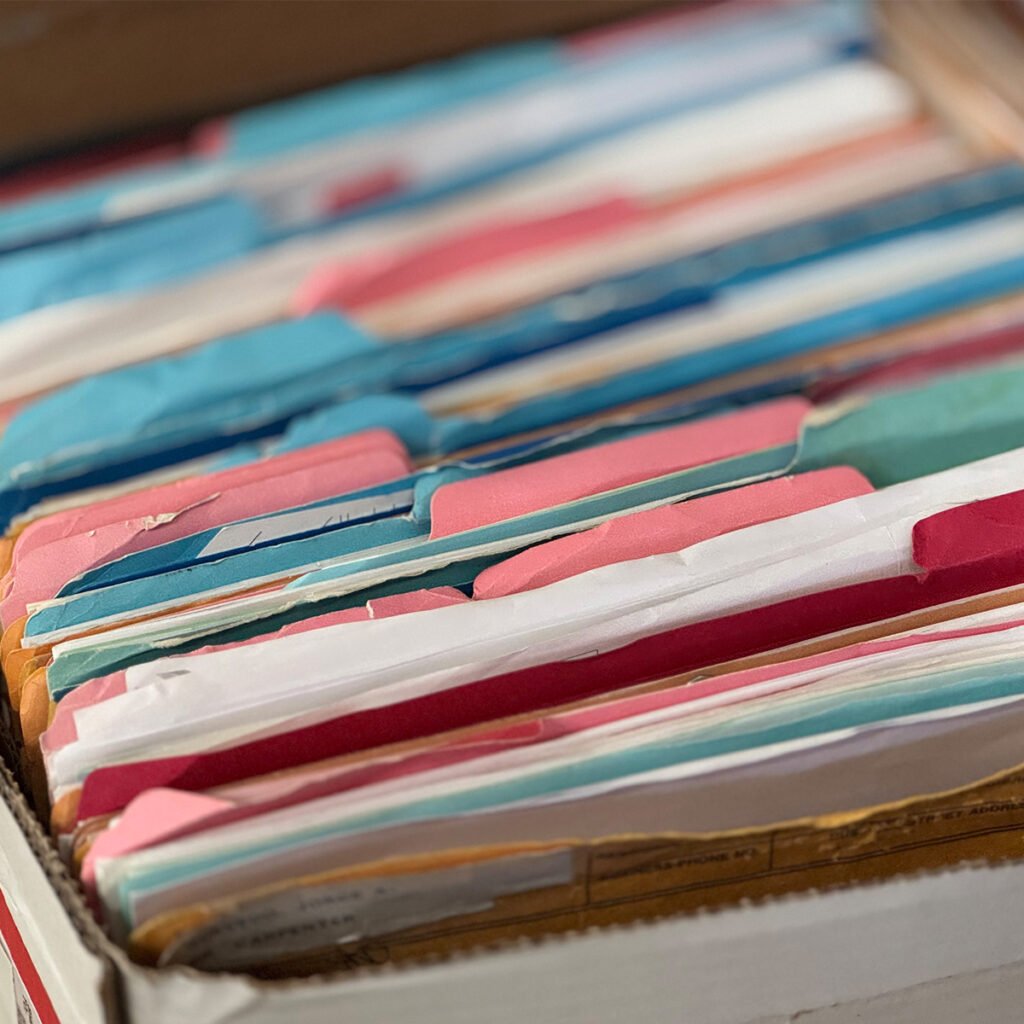
Protecting Patient Trust Beyond the Chair
Patient trust extends beyond clinical care. A data exposure caused by improper disposal can undermine confidence and damage a practice’s reputation. Secure shredding helps dental practices demonstrate that patient privacy remains a priority at every stage, not just during treatment.
By treating document destruction with the same care as record creation and storage, practices reinforce professionalism and long-term trust with patients.
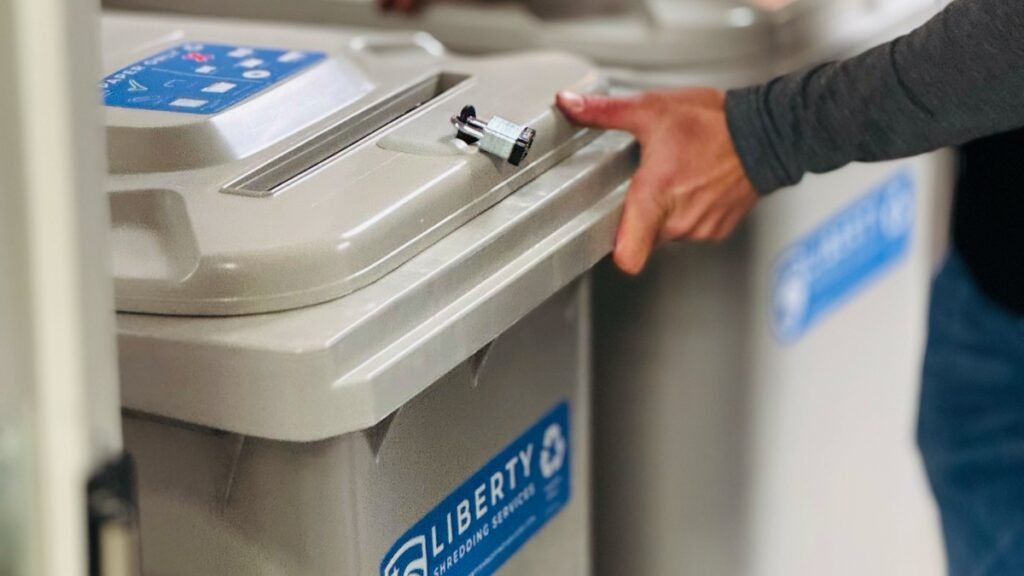

Making Secure Shredding Part of Daily Operations
The most effective shredding programs are consistent and proactive. Scheduled shredding services allow dental practices to dispose of sensitive documents regularly, keeping workspaces organized and reducing accumulated risk.
Secure collection containers simplify compliance for staff, while outsourcing destruction ensures documents are handled correctly without disrupting daily workflows. This structure allows dental teams to stay focused on patient care while maintaining full control over sensitive information.
A Smarter Approach to Dental Records Management
Secure shredding is not simply a cleanup task—it is a core component of responsible records management for dental practices. When document destruction follows the same standards as record handling and storage, practices reduce liability, strengthen compliance, and protect patient trust.
For dental practices committed to privacy, professionalism, and long-term confidence, secure shredding provides a reliable and effective solution.
Looking for reliable shredding, scanning, archiving, media conversion, cloud, and more services? Contact Liberty today for a free, no-obligation quote. Whether it’s a single-file box or an ongoing service agreement, we’ll help you choose the right solution for your home or business.
Questions and Answers
What types of documents should dental practices shred?
Dental practices should shred patient charts, treatment records, insurance forms, billing statements, X-ray documentation, appointment logs, HR files, and any paperwork containing patient or employee information.
How often should a dental practice schedule shredding services?
Most dental practices benefit from recurring shredding services to manage daily paperwork consistently, though one-time purges are effective for clearing out archived or expired records.
Is professional shredding necessary for small dental offices?
Yes. Even small dental practices handle sensitive patient and financial data. Professional shredding ensures documents are destroyed permanently and handled through controlled, compliant processes.
How does professional shredding protect patient privacy?
Professional shredding permanently destroys documents through secure handling and verified destruction, preventing unauthorized access and eliminating the risk of information exposure.
Do dental practices receive proof that documents were destroyed?
Yes. Each shredding service includes a Certificate of Destruction, providing documented confirmation that records were destroyed properly and supporting compliance and audit requirements.